Freshwater Salinization: From Ecology and Evolution to Real-World Solutions
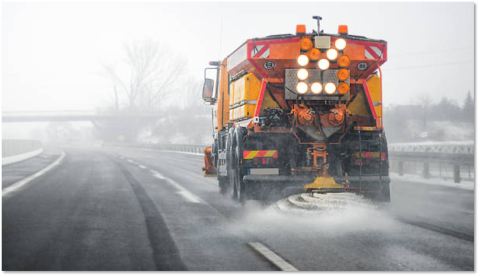
Around the world, freshwater habitats are experiencing salinization as a result of human activities, including mining, agriculture, saltwater intrusion, and the applications of road salts to melt ice and snow. We are rapidly discovering the many unintended effects of salt-pollution in freshwater ecosystems and these effects span multiple levels of ecology, including individuals, populations, communities, and ecosystems. In addition, we are discovering fascinating examples of aquatic taxa evolving increased tolerance to salt, suggesting that some species may be able to persist as we work to mitigate salt pollution. Fortunately, as the public has learned more about the environmental and economic impacts of salt pollution, new strategies have been developed to apply road salts in smarter ways that allow up to 50% reductions in salt applications without compromising road safety. Thus, we can protect the environment while also experiencing considerable savings for transportation agencies and taxpayers.
Dr. Rick Relyea
School of Natural Resources
University of Missouri